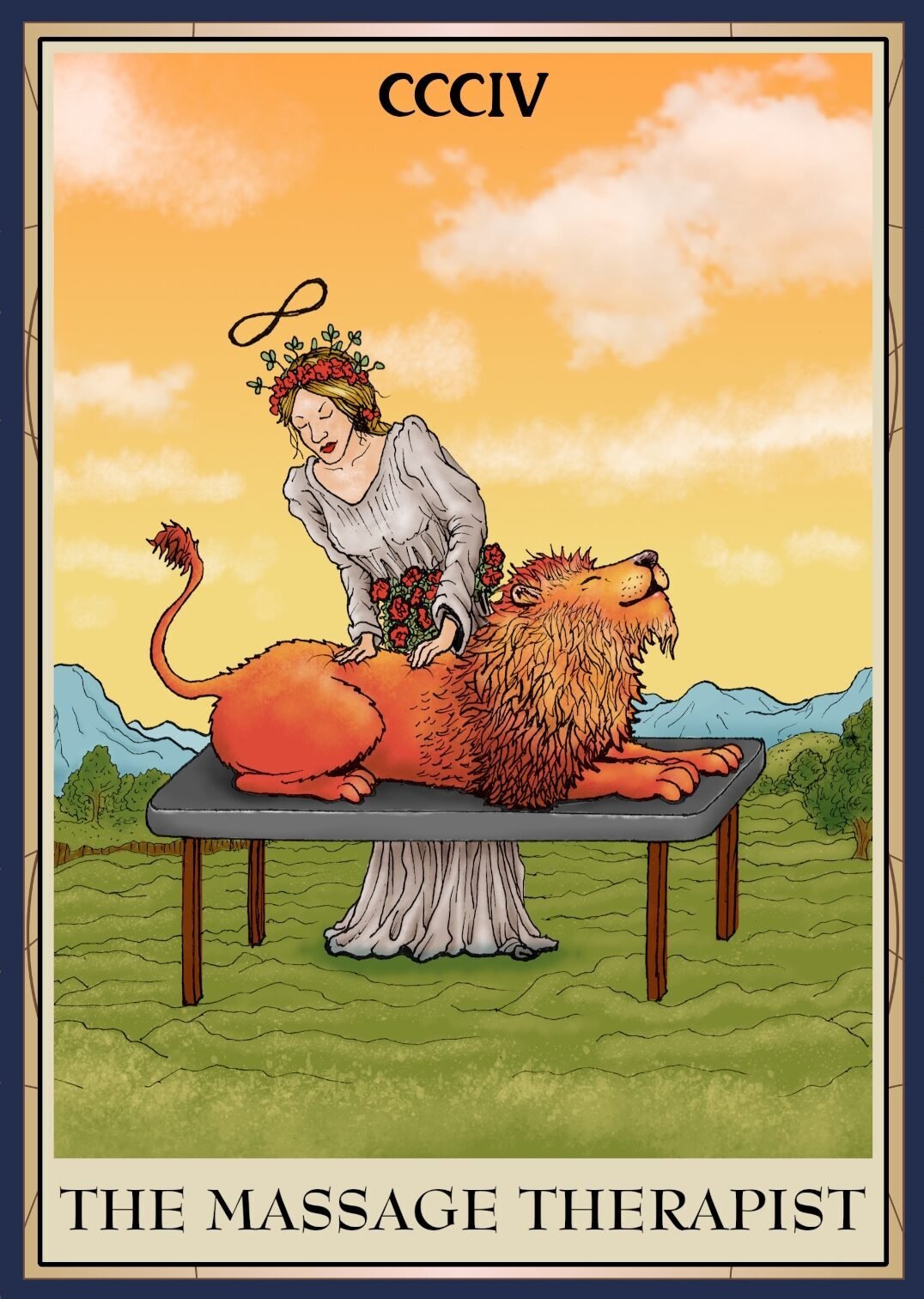

What To Expect On My Table
Massage is often treated as a luxury; something you book when you want to relax, unwind, or treat yourself. And while relaxation can absolutely be part of massage, therapeutic massage serves a much broader purpose. In my practice, massage is less about following a predetermined routine and more about asking a simple question: What does your body need today? That answer may be different from one appointment to the next. You come in because your neck has been bothering you for weeks, or because the same spot in your shoulder keeps tightening no matter how much you stretch it. Maybe an old injury has changed the way you move without you really noticing it. And sometimes, once we start working, it becomes pretty clear that the place that hurts is only part of the story.
Bodies compensate. They’re actually really good at it. If something hurts, you change how you move. You might shift your weight, use one side more than the other, hold a shoulder differently, or avoid a certain movement altogether. You may not even realize you’re doing it. That can be useful while something is healing. The problem is that the body doesn’t always go back to its old movement patterns once the original problem is gone. That is the reason I don’t automatically spend an entire session digging into the exact spot where you feel pain. If you tell me your shoulder hurts, I’m interested in the shoulder, but I’m also paying attention to what’s happening around it. How is it moving? What feels restricted? Muscles, fascia, joints, nerves, and connective tissues don’t operate in isolation. What’s happening in one area can affect what’s happening somewhere else.
There isn’t one technique that makes a massage “therapeutic.” Depending on what I’m finding and what you’re comfortable with, I may use traditional massage techniques, myofascial work, cupping, scraping, assisted stretching, or more focused manual therapy. I’m not trying to fit every technique I know into your appointment. I’m choosing what makes sense for what’s happening that day. And what makes sense can change during the session. Sometimes an area responds well to focused work. Sometimes it needs movement more than pressure. Sometimes I can feel that your body is guarding an area so aggressively that pushing harder is probably the least useful thing I could do. And no, therapeutic work does not automatically mean painful work. More pressure isn’t always better, and pain during treatment isn’t proof that something is being “released.”
I also don’t love the way we sometimes talk about “relaxation massage” and “therapeutic massage” as if one is meaningful and the other is just a treat. Relaxation can be therapeutic. I can work on the thing that brought you in while still giving your body a chance to settle. Those two things don’t cancel each other out. After doing this work for almost 15 years, one thing I know for sure is that no two people come through my door with the same body or the same history. Even the same person isn’t going to need the same massage every time I see them. So we’ll talk about what’s going on. I’ll ask what you’ve been noticing and what you want from the session. I’ll pay attention to what I’m finding as we work, and we can adjust from there. You might come in wanting me to spend the whole hour working on one particular problem but we may end up working much more broadly than you expected. Or you may get on the table after an absolutely terrible week and your body makes it pretty clear that today is not the day for an agenda.
That counts, too.
Massage is more than relaxation, but relaxation doesn’t have to be “just” relaxation, either.